About us:

This project is part of the Human centered AI Lab group

Viewport_Example

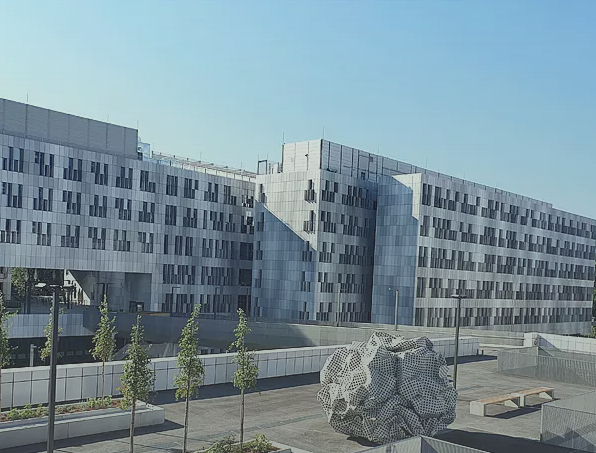
Medical University Graz:

"PIONEERING MINDS – RESEARCH AND EDUCATION FOR PATIENTS' HEALTH AND WELL-BEING“

In the spirit of this motto, the broad field of competence at Medical University of Graz rests on three main pillars:

  • Future-oriented and innovative education for students and people interested in professional development
  • Competitive and internationally networked cutting-edge research from basic science to clinical application
  • Personalized and state-of-the-art patient care at University Hospital Graz

Everyone at Med Uni Graz is involved in implementing its manifold projects: Scientists, researchers, doctors, students, teachers and many other staff members in different occupational groups see themselves as pioneering minds that make up the spirit and innovative power of Med Uni Graz through their daily work and their respectful and open cooperation.

Diagnostic and Research Institute of Pathology:

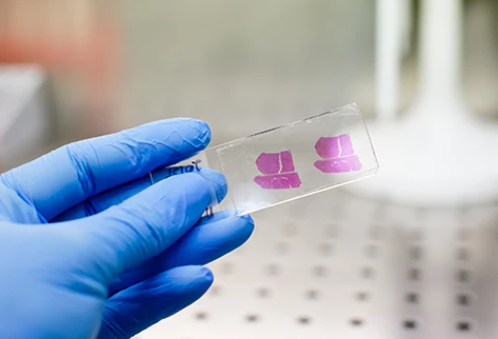
The Diagnostic and Research Institute of Pathology is part of the Diagnostic and Research Center of Molecular BioMedicine. The staff members of our institute are concerned with specific issues related to the research areas of the center. They focus on pathology and disease research as well as diagnostics in close collaboration with the clinical disciplines. Thus pathology is a clinical discipline whose tasks are all patient-oriented. The clinical connection guarantees patient-related research, while the results of research find their way into diagnostics, therapy and teaching.

RESEARCH FOCUS INFORMATION SCIENCE AND MACHINE LEARNING

The focus of our research group lies in the processing and analysis of data generated in the scientific and/or diagnostic process (focus: pathology). On the one hand, tools are developed, which make it possible to process data according to the FAIR principles and, on the other hand, existing algorithms (artificial intelligence) are analyzed and their explainability, including the human-machine interface, is presented and further developed (in cooperation with Andreas Holzinger). In the course of digitization, archive samples from the biobank are also being processed and made available in digital catalogs (in cooperation with Kurt Zatloukal).

Viewport_Example
Viewport_Example

ONCOSCREEN:

A EUROPEAN “SHIELD” AGAINST COLORECTAL CANCER

Modern healthcare systems need to offer new non-invasive methods for colorectal cancer screening and to improve its early detection. Such methods need to be affordable, accessible, and applicable to large parts of the population in order to effectively prevent the development of colorectal cancer.

ONCOSCREEN project responds to this challenge and plans to develop a ground-breaking set of technologies and methods for colorectal cancer screening. In close cooperation with other Mission Cancer projects, ONCOSCREEN will provide solutions for risk-stratified cancer screening programmes for citizens, an integrated diagnostic decision support tool for clinicians as well as intelligent monitoring tools for policy makers. The project will collaborate closely with national cancer mission hubs to facilitate policy dialogue on cancer and related research actions.

The generated ONCOSCREEN tools will be extensively validated through clinical studies with 4100 European citizens and patients participating from 10 different countries. The views and perspectives of citizens and patients will be incorporated through a participatory co-design approach, further reinforced by open innovation and FAIR data. The aim is ultimately to have the solutions adopted by public healthcare systems and everyday clinical practice across Europe.